
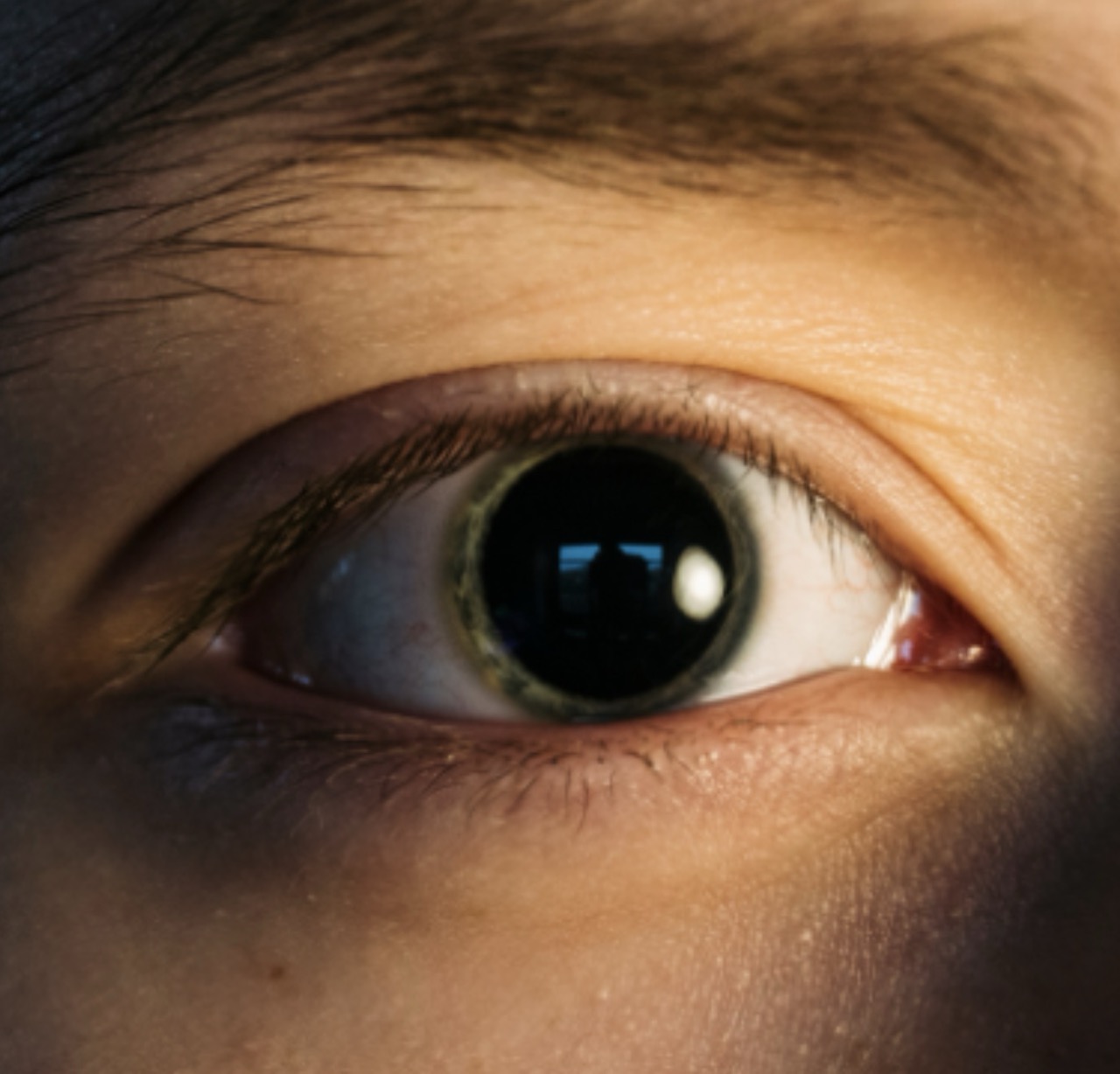
Honey is a wonderful natural sweetener and sugar replacement. It’s also used all over the world for its antimicrobial, wound-healing, and soothing properties.
While not as popular in Western cultures, Ayurveda and other natural healing traditions have been using honey for centuries to treat health conditions of the eye.
Topically applied honey can reduce inflammation and irritation in your eye. It can also kill harmful bacteria that could be causing an eye infection.
Some people even use honey to try to gradually change the color of their eyes, although there isn’t any research to prove that it works. Keep reading to find out what we know so far about using honey as a treatment for your eyes.
Benefits of using honey for your eyes
Honey’s anti-inflammatory and antimicrobial properties, combined with its soothing abilities, make it a surprisingly effective treatment for several eye conditions.
All of the following home remedies for eye conditions involve mixing specialty-grade honey (like locally sourced, honeycomb, or Manuka honey) with sterile saline drops and applying the mixture topically in your eyes or on your skin.
Keratoconjunctivitis
In one study involving 60 participants, artificial tears containing honey were found to be an effective treatment for keratoconjunctivitis (inflammation of the cornea due to dryness).
This chronic condition tends to appear with the onset of seasonal allergies.
Corneal ulcers
Corneal ulcers are sores on the surface of your eye’s outer layer. Honey can fight infections that might be causing the sore, as well as accelerate the healing of the ulcers themselves.
The wound-healing properties of honey, as well as its antimicrobial effects, make it uniquely suited to treat these kinds of ulcers.
Blepharitis
Blepharitis is a condition that causes swelling and burning around your eyelash line. One tested six rabbits with blepharitis to identify the potential of Manuka honey as a treatment for blepharitis.
Though we still need human trials, Manuka honey appeared to be more effective than commercial-grade honey or no treatment for getting rid of blepharitis.
Dry eyes
Dry eye happens when the tear glands that lubricate your eyes are not producing enough tears. While it’s possible to treat chronic dry eye with artificial tears, there has never been a proposed way to cure it completely.
Artificial tears with manuka honey and eye gel with Manuka honey are now being studied as a dry eye treatment. In a study of 114 people, honey treatments were found to decrease redness and discomfort in people with chronic dry eye.
Reduces wrinkles
Honey has cosmetic applications for your skin. A review of the literature shows that honey can seal in moisture and add softness to the top layer of skin, helping reduce the signs of aging.
Most chemical and even some natural anti-aging ingredients aren’t safe to use in the area under and around your eyes. Honey, on the other hand, can be mixed with saline, water, coconut oil, or jojoba oil and applied around your eyes to tighten skin.
Bacterial conjunctivitis (pink eye)
The antimicrobial properties of honey can fight a bacterial eye infection, stop it from spreading, and reduce redness, and speed healing. An older study done in 2004 analyzed honey’s antimicrobial effects against different kinds of bacteria, and demonstrated how well it can work against conjunctivitis in particular.
Honey in eyes side effects
Raw honey should not be placed directly in your eye — ever. You can find Manuka honey dry eye drops online. Or, you can make your own sterilized honey eye drops.
You can mix dissolved honey with artificial tears, saline solution, or sterilized water to make your own mixture. The example below uses water:
- Start by boiling 1 cup of water and 5 teaspoons of honey, stirring well.
- Let the mixture cool down completely.
- You can use this mixture as an eyewash, or use a sterilized eyedropper to put into your eyes directly.
You can experiment with the ratio of honey and sterilized water. You can also place the mixture in the fridge before use for a cooling sensation.
Be as careful as you can when using honey for your eyes. Speak to a doctor if you’re considering using honey as a treatment for any eye condition.
Keep in mind that we know a lot about honey’s potential uses for eye conditions, but we don’t know as much about potential side effects. Just because something is “all natural” doesn’t mean that using it is a good idea.
Takeaway
There’s a good deal of research to support the use of diluted honey in eye drops for certain eye conditions. There’s almost no supporting data to promote the idea that honey in your eyes can change your eye color.
Don’t substitute honey for a medication prescribed by your eye doctor, and always speak to your doctor about any remedies you’re considering for your eyes.
Source : www.healthline.com